
FROM
LANDFILL
TO LEGEND
elevated, culturally relevant streetwear
— one deconstructed jersey at a time.
The Challenge:
Athletic Apparel Waste
Each year, the athletic apparel industry, particularly in the realm of professional sports, contributes vast quantities of dated merchandise and tour apparel to global landfills. The shelf-life of these products is notoriously short; for instance, a t-shirt commemorating the 2024 playoffs becomes undesirable, if not commercially irrelevant, by 2026.
This problem is exacerbated by major sporting events, like the Super Bowl, where suppliers must often produce significant volumes of merchandise for both competing teams in advance, ensuring sufficient stock for the winner. The resultant surplus for the losing team, or any merchandise tied to an obsolete season or event, quickly becomes unsalvageable through traditional retail channels.
Application & Supply Chain
From Landfills to Gold:
A Creative Solution
Recognizing the substantial environmental and commercial opportunity within this waste stream, McKinsey & Company approached Centered Human. The objective was to devise a creative, scalable, and commercially viable solution for transforming this inventory of dated products into a highly coveted, elevated experience for Major League Soccer (MLS) fans, simultaneously fulfilling a critical environmental mandate to reduce waste sent to landfills.
Product Exploration and
Aesthetic Development
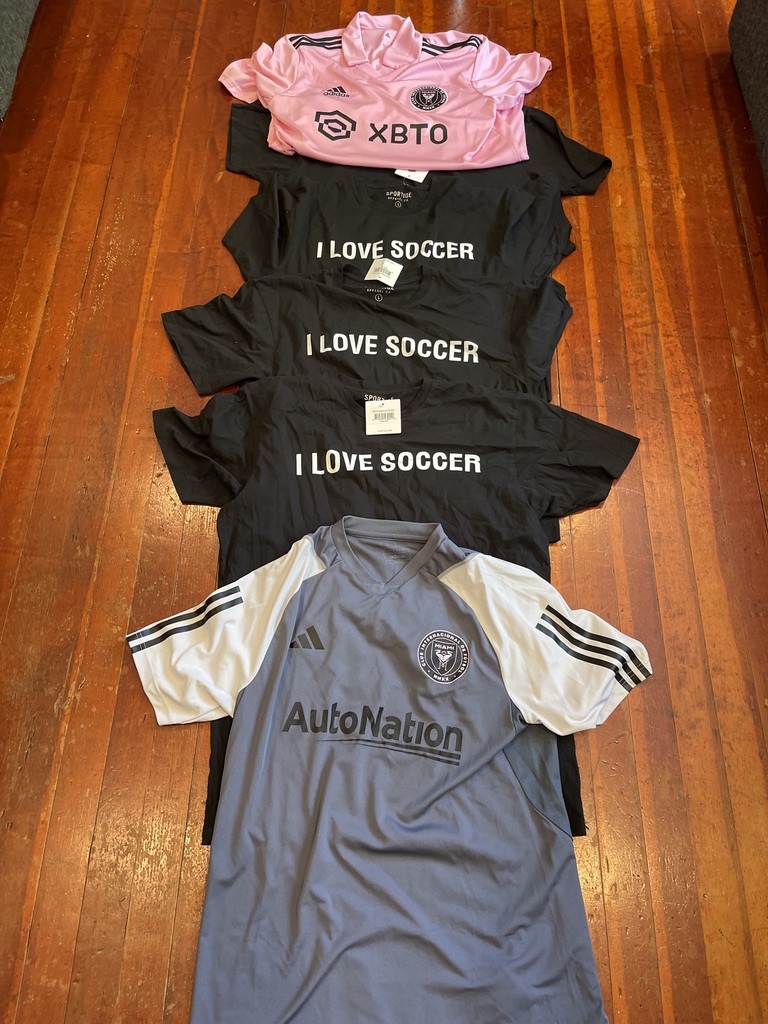
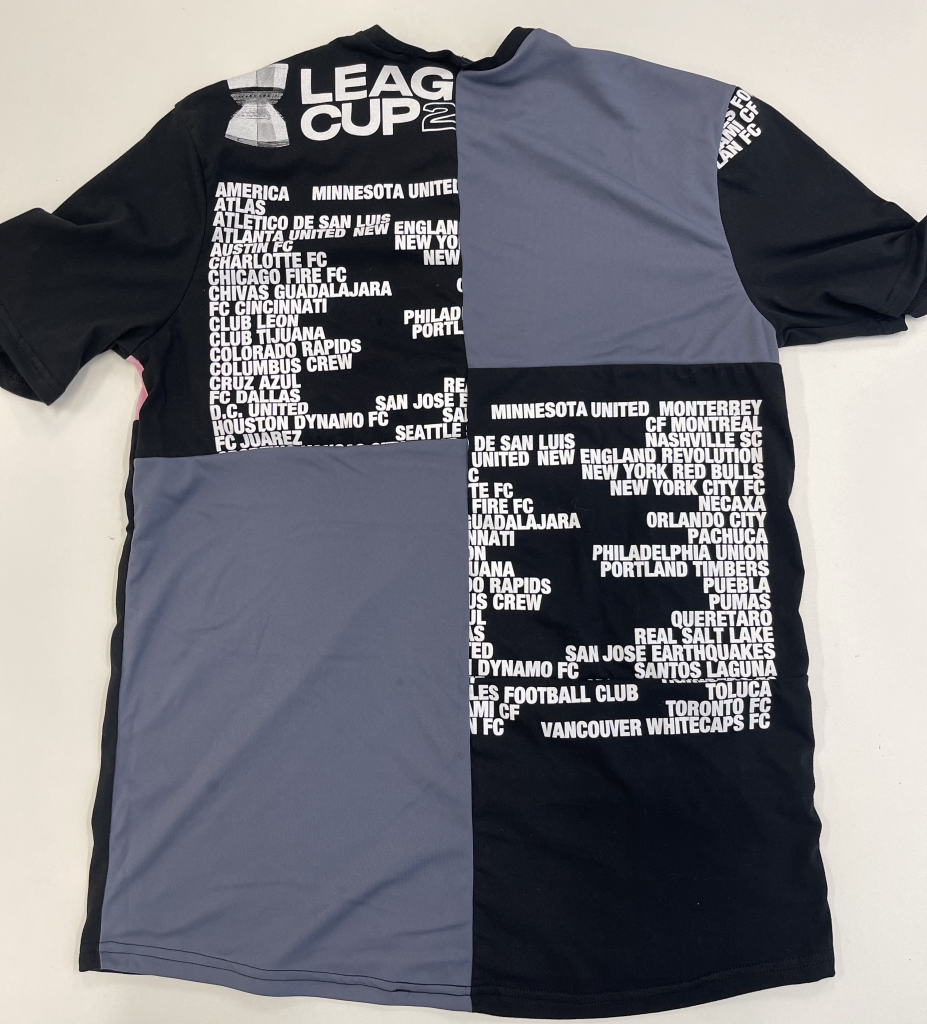
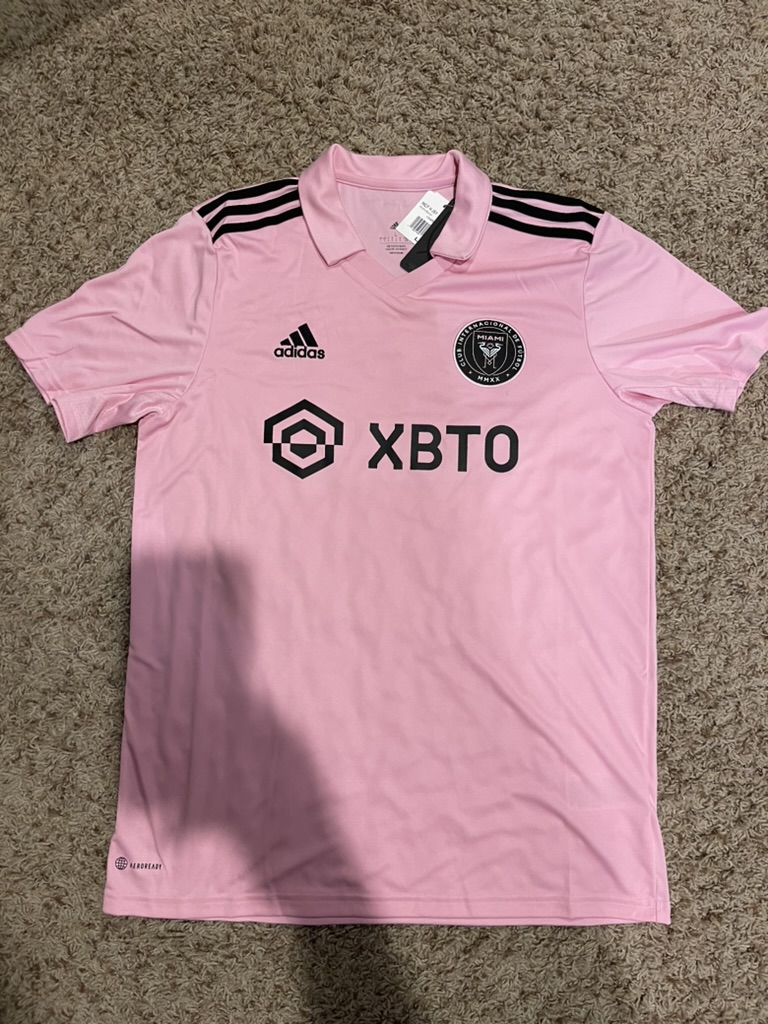
To kickstart this ambitious upcycling project, McKinsey provided Centered Human with a diverse shipment of outdated soccer jerseys and t-shirts from various MLS teams. The core assignment was to conceptualize and develop a product line that possessed a commercially viable structure while maintaining a strong, culturally relevant aesthetic.
Aesthetic Inspiration and Mood Board Generation
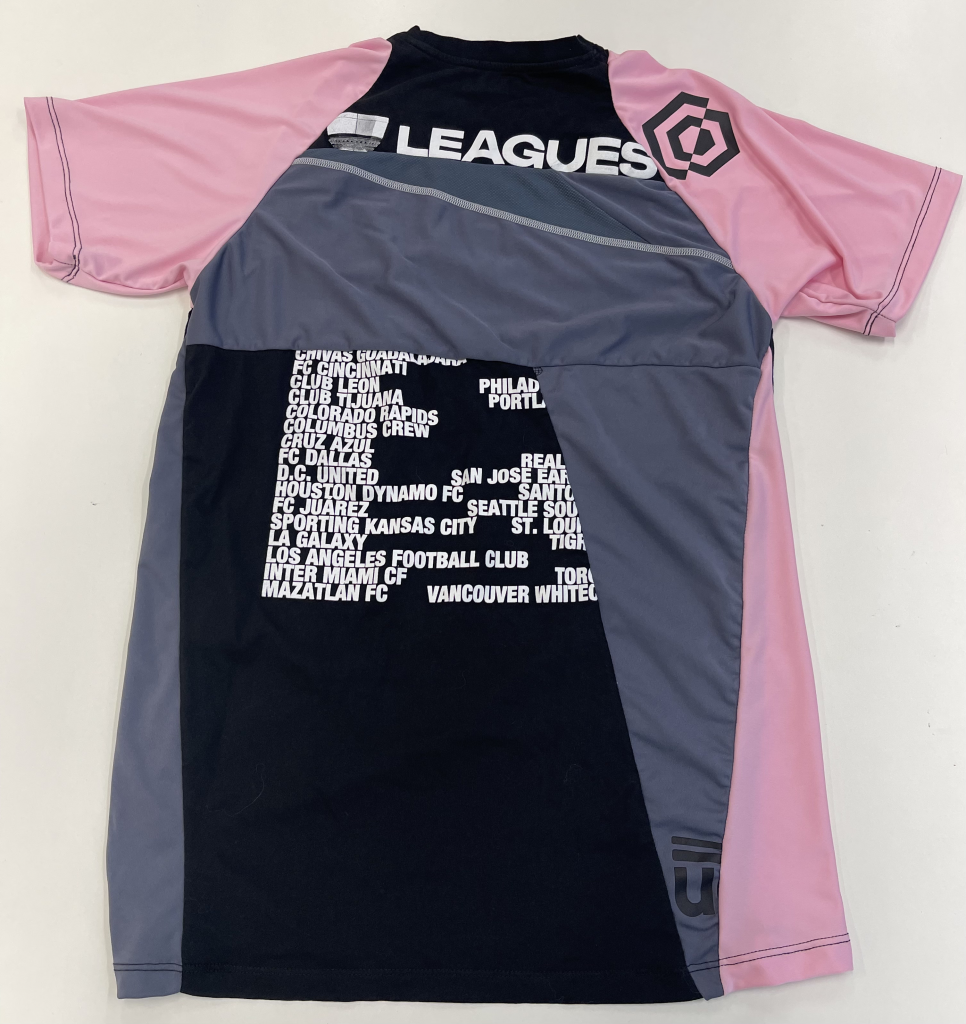
The Centered Human design team began by immersing themselves in global vintage and upcycling culture. Their aesthetic inspiration was drawn from intensive vintage shopping trips across international hubs of design and fashion, including Paris, Amsterdam, and Japan. This research culminated in a detailed mood board that synthesized diverse influences.
These foundational aesthetics provided the design team with a clear game plan for the garment construction, guiding the approach to cutting, reconstructing, and finishing the upcycled apparel.
Ivy League Patchwork
The clean, historical, and deconstructed look of 1950s patchwork football uniforms.
Refurbished Workwear
The durable, utilitarian, and authentically aged feel of 1970s refurbished workwear garments.
Product Compliance and Manufacturing Innovation
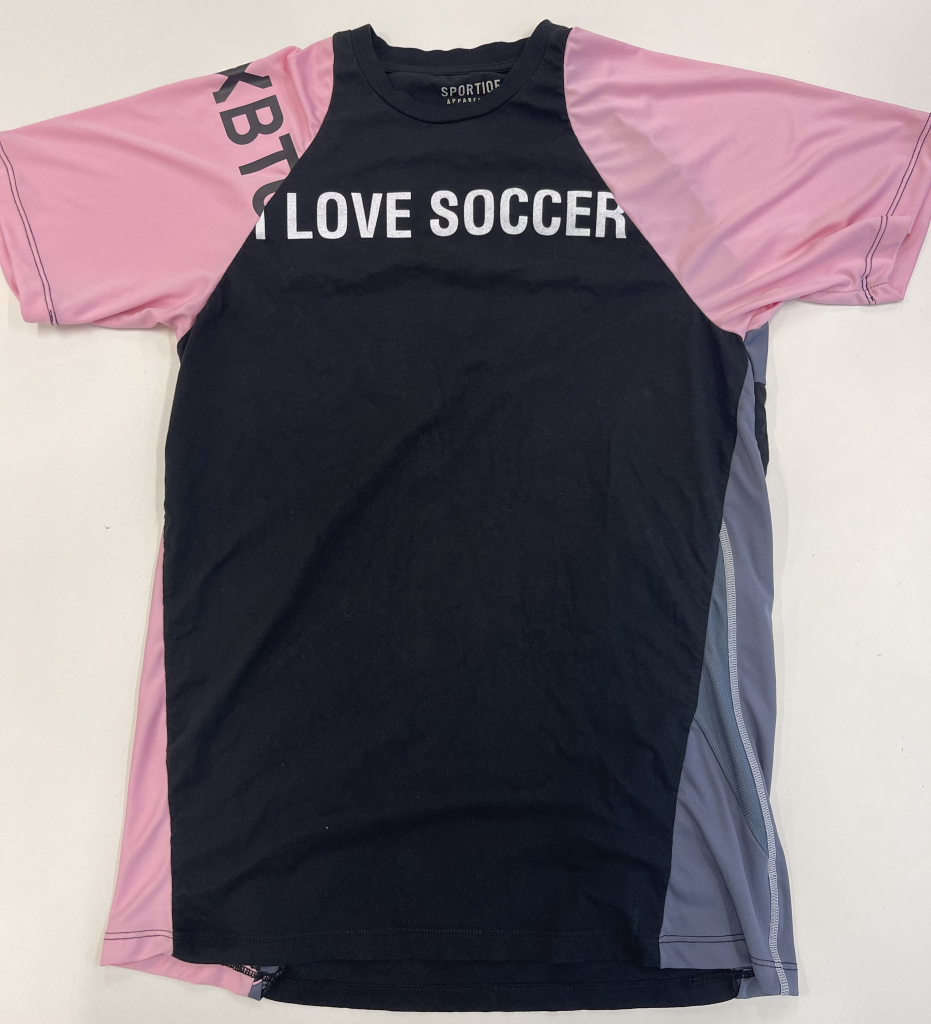
The majority of the source material comprised authentic soccer jerseys and t-shirts. The initial challenge of upcycling lay in taking a disparate, non-uniform pool of garments and creating a consistent, high-quality, and repeatable product aesthetic.
Deconstruction and Pattern Standardization
The garments were first meticulously organized based on key logistical factors: gender, size, and original color palette. The core of the manufacturing innovation was the systematic deconstruction of each garment into standardized patterns: sleeves, collars, and front and back panels.
Panel Selection
A critical step involved the removal and culling of any fabric panels that contained explicit dating (e.g., ‘2024 Playoffs’) or featured team logos/names of franchises that were defunct or had undergone name changes, ensuring the final product possessed a timeless quality.
Assembly Line Preparation
The finalized, cut panels were then organized into segregated sections, effectively creating a standardized input for an assembly line manufacturing system. This innovation was essential for scaling what is traditionally a highly labor-intensive, one-off process.
Quality Assurance And
Collection Approval
A stringent sampling and quality control process was implemented. Several initial samples were created and subjected to rigorous testing, including a universal wash test, which ultimately defined the finalized, universal care instructions for the new product line. These initial samples were shared with the customer (McKinsey/MLS) for formal fit and aesthetic approval. The pilot collection was deemed a resounding success, validating the entire process from deconstruction to final assembly.
Given the highly specialized nature and labor intensity of upcycling dated product, a strategic decision was made to position and sell the resulting product line at a premium price point. To further enhance the end consumer experience and provide a cohesive narrative for the sustainability initiative, a completely new brand and digital presence was developed.
New Brand Identity
A new brand was created specifically for the upcycled line.
Digital Storytelling:
A dedicated website, Reboot Futbol, was launched to serve as a platform for rich storytelling, educating consumers on the environmental mission, the design inspiration, and the detailed construction process of each garment.
The program is still in its nascent stages of scaling, demonstrating significant early success and capacity for growth.
0
Diverted
Total units removed from waste stream to date
0
Launch
Weeks from initial brief to market
0
Per Launch
Every launch has sold out completely
0
Capacity 2024
Garments processed in first program year
0
Target
Year-over-year scaling goal
